My style — and how I photograph the day
Calm, discreet and story-led, with just enough direction to keep things easy — and as little awkwardness as the laws of physics allow.
Documentary first. Gentle direction when it helps.
This page explains how I work through a full wedding day, what I prioritise, and how I keep everything flowing without turning it into a long photoshoot.
I’m there to document what is actually happening: the atmosphere, emotion and small interactions. Then I step in gently when needed for group photographs, portraits, a timing nudge or the occasional, “shall we just step outside for ten minutes?”
After more than 1,500 weddings, I know that the best photographs usually come when people feel able to get on with the day rather than perform for the camera.
Arrive early, set the scene, then settle in
I’m usually there around two to two-and-a-half hours before the ceremony. That gives me time to photograph the venue, understand the light and weather, and start preparations without charging into the room at the most frantic point.
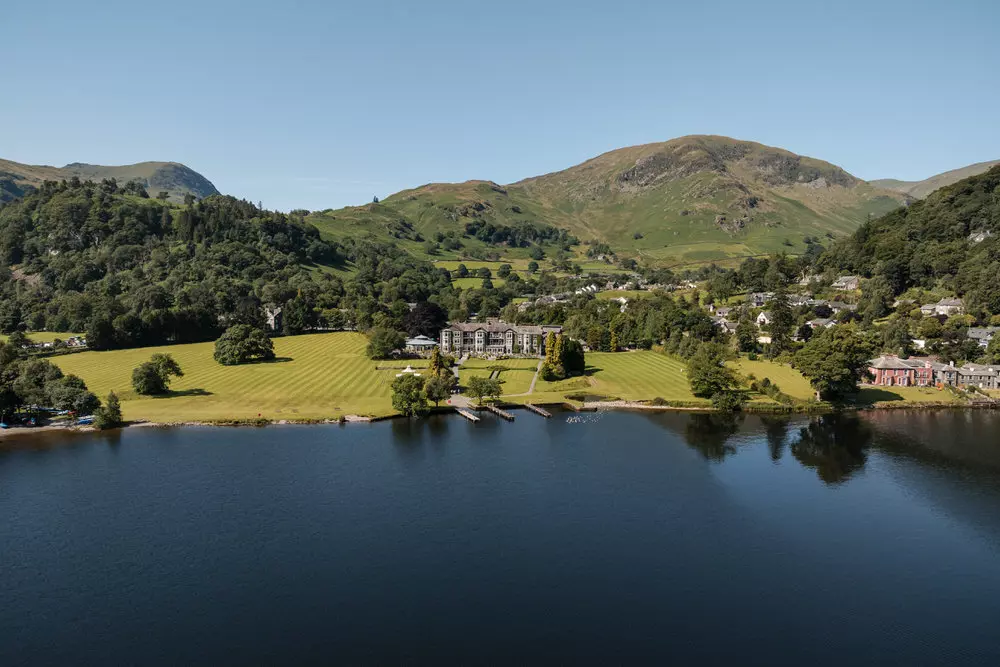
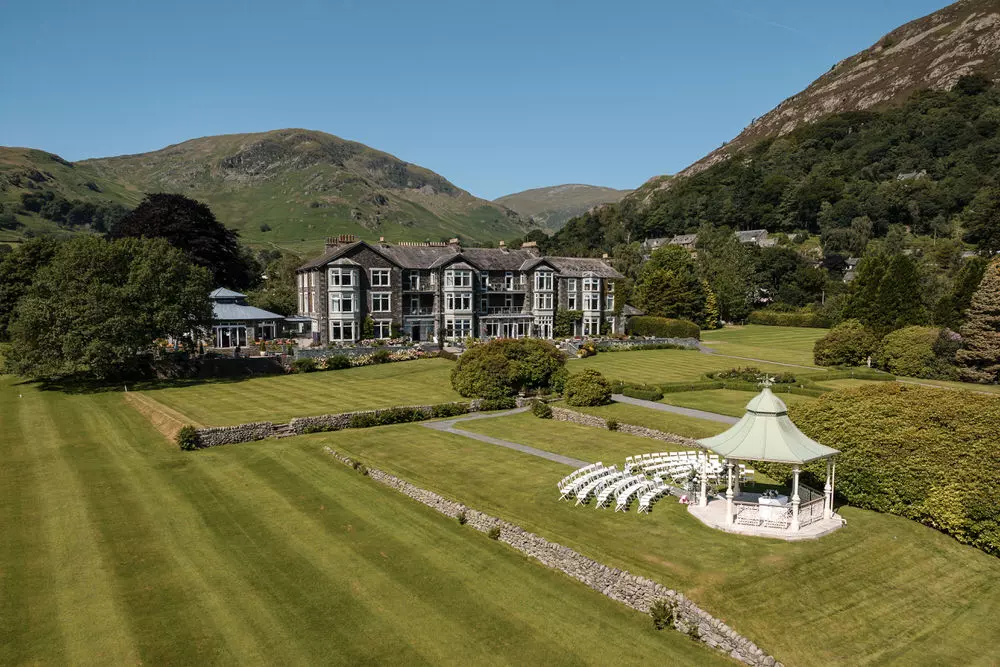
If conditions and permissions allow, I’ll get the drone up to place the venue properly in its surroundings. If you have added a wedding highlight film, this is also ideal for a few calm establishing clips before guests arrive.
Candid, calm and respectful
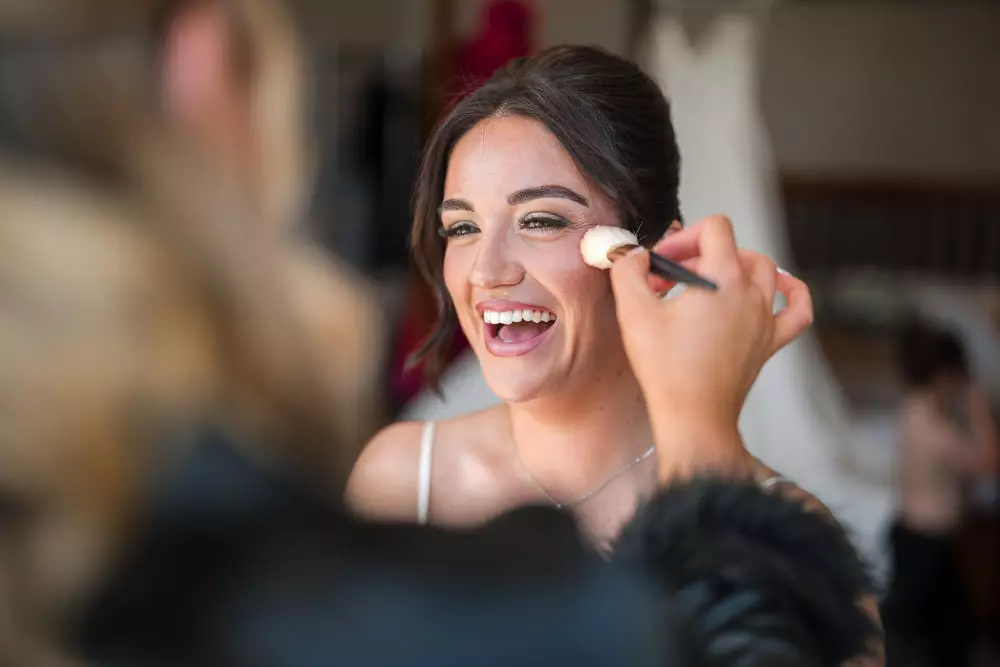
Preparations begin naturally. I do not rearrange the room or direct every interaction; I blend in and photograph the build-up, nerves, humour and the people around you.
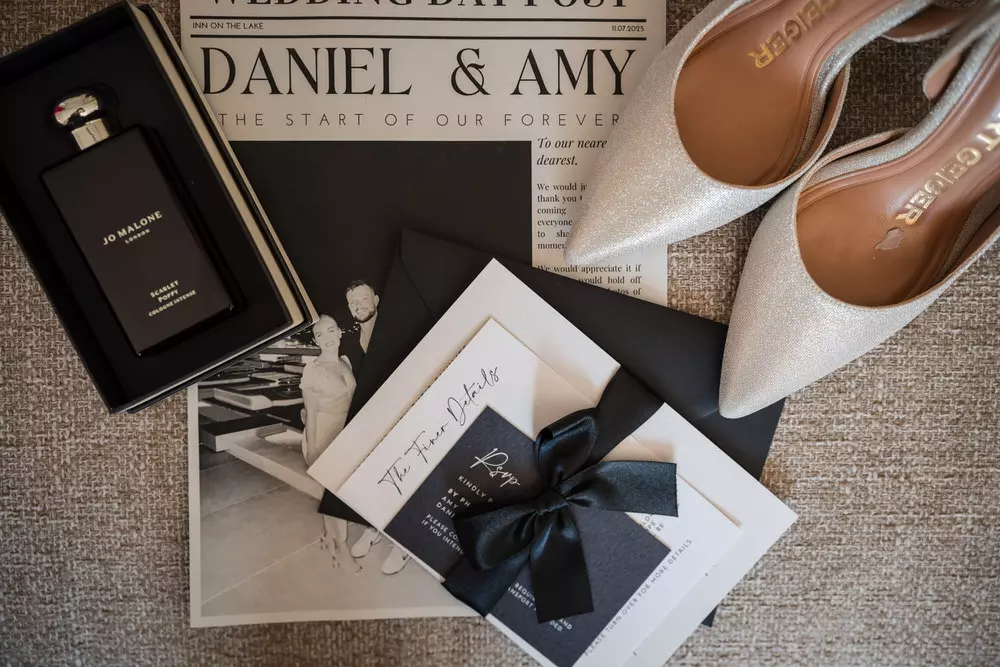
Details matter, but less is more. If you gather a few meaningful things together — rings, invitations, shoes, perfume or flowers — I can photograph them efficiently and return to what is actually happening.
I will normally nip between both sides of preparations when they are at the same venue. If the groom is getting ready elsewhere, we will talk through what is realistic without sacrificing the more important parts of the morning.
Relaxed, with minimal fuss
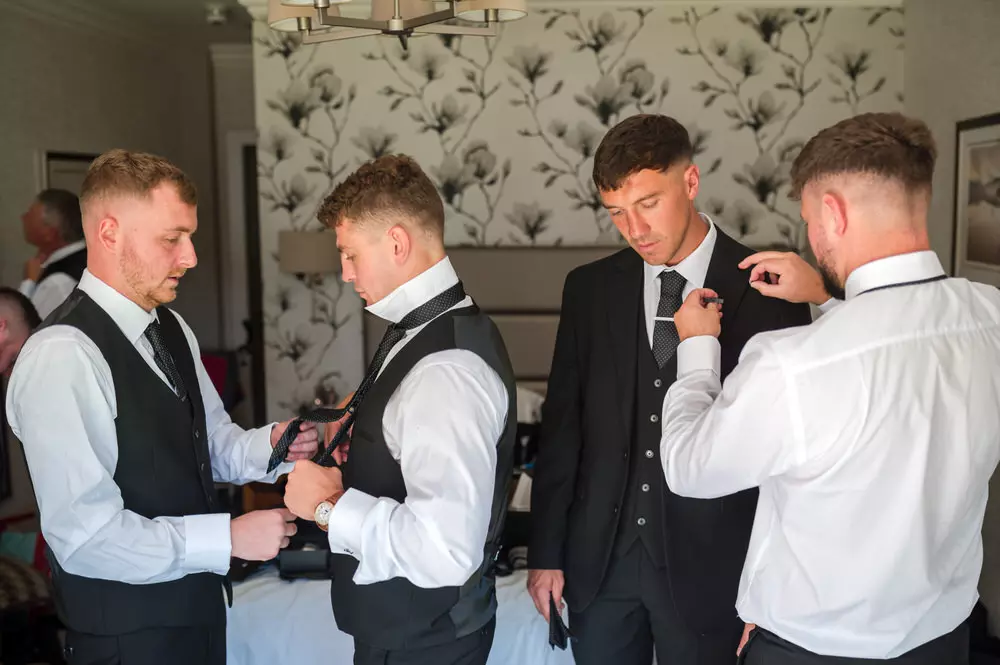
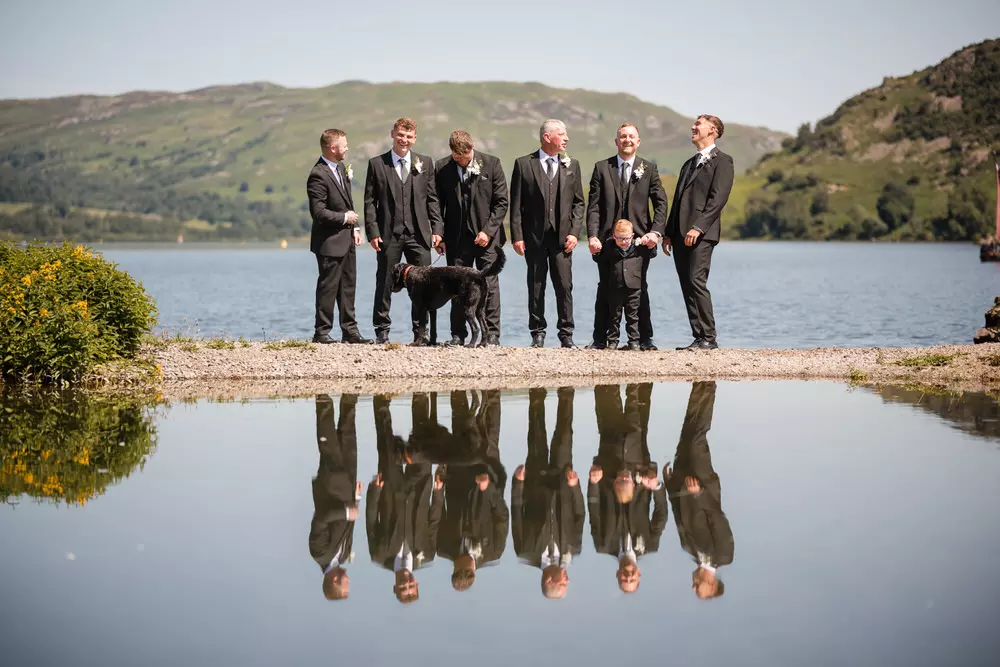
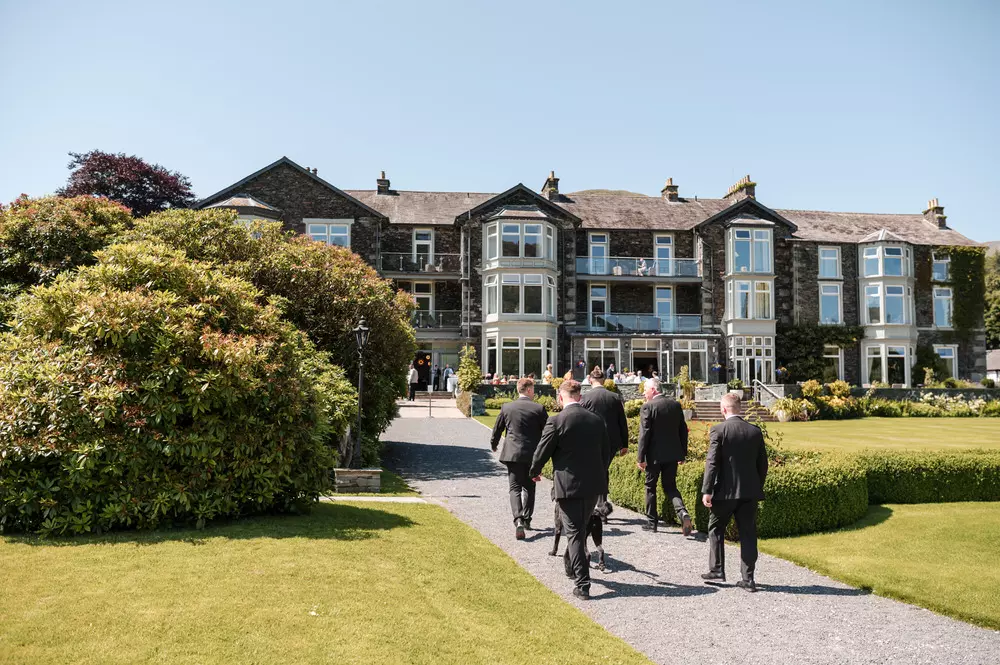
Usually it is the final part of preparations — tie, jacket and a few laughs — followed by a short wander if time allows. Most groomsmen do not particularly enjoy posing, so I keep it moving: walking, talking and letting people look like themselves.
There is no requirement to stand in a row trying to remember what a groomsman is supposed to do with his hands.
Discreet is everything
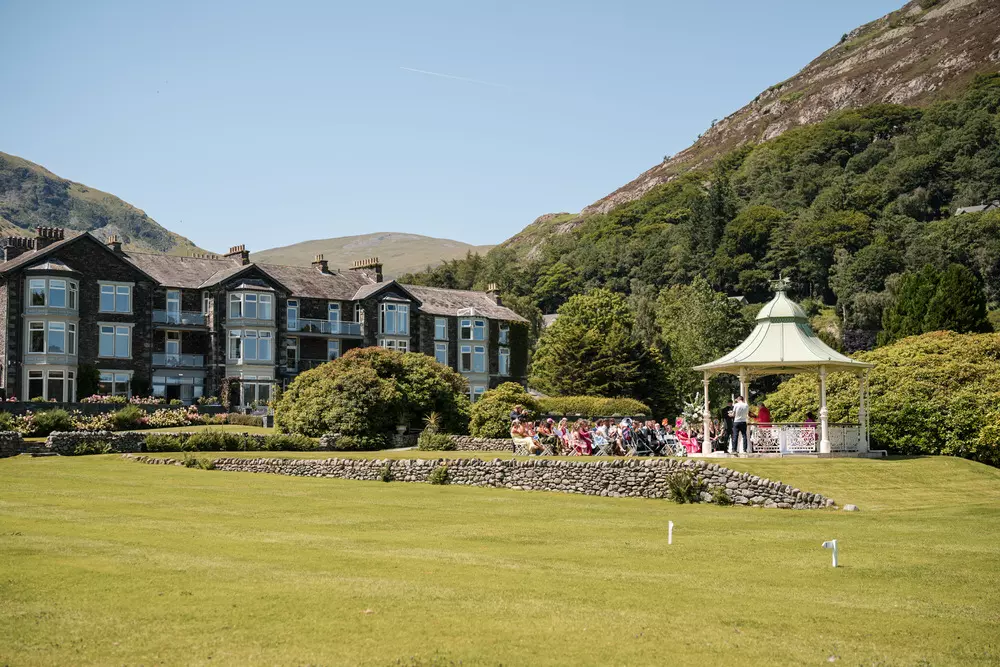
The ceremony is personal, not a performance. I position myself carefully, avoid unnecessary movement and anticipate the important moments: the walk down the aisle, reactions at the front and the expressions in between.
Confetti, congratulations and letting it happen
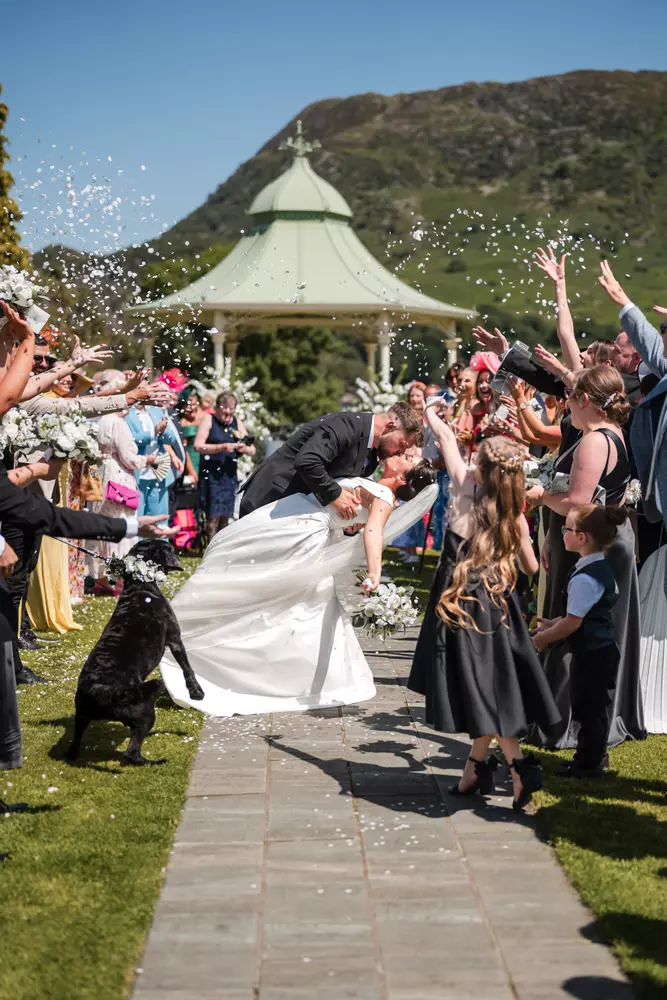
Confetti is colourful, chaotic and full of genuine reactions. A little planning helps it work brilliantly, which is why I have put together some practical confetti photograph tips.
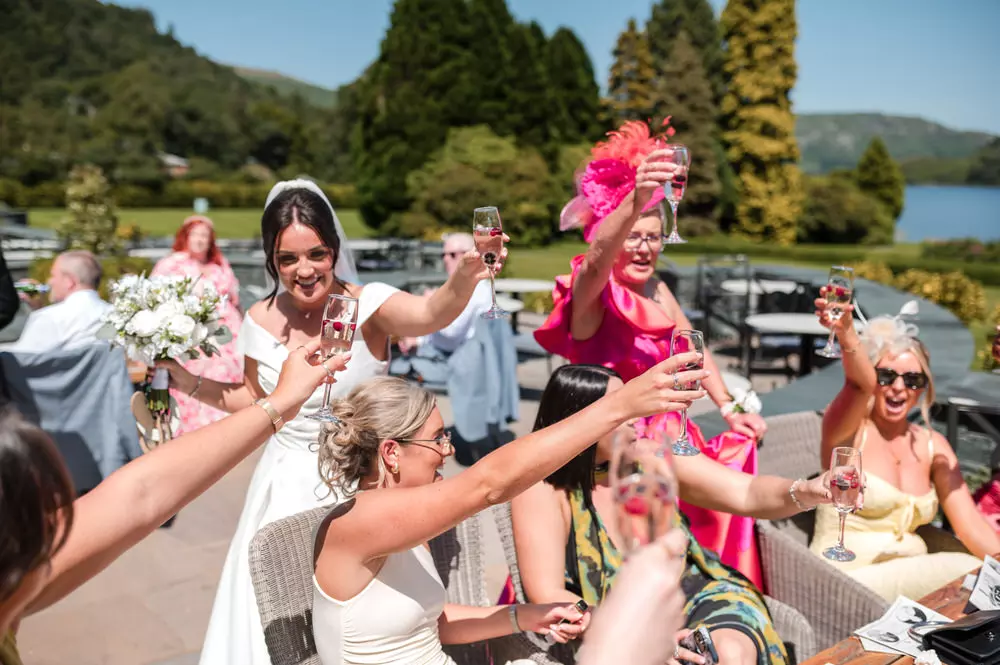
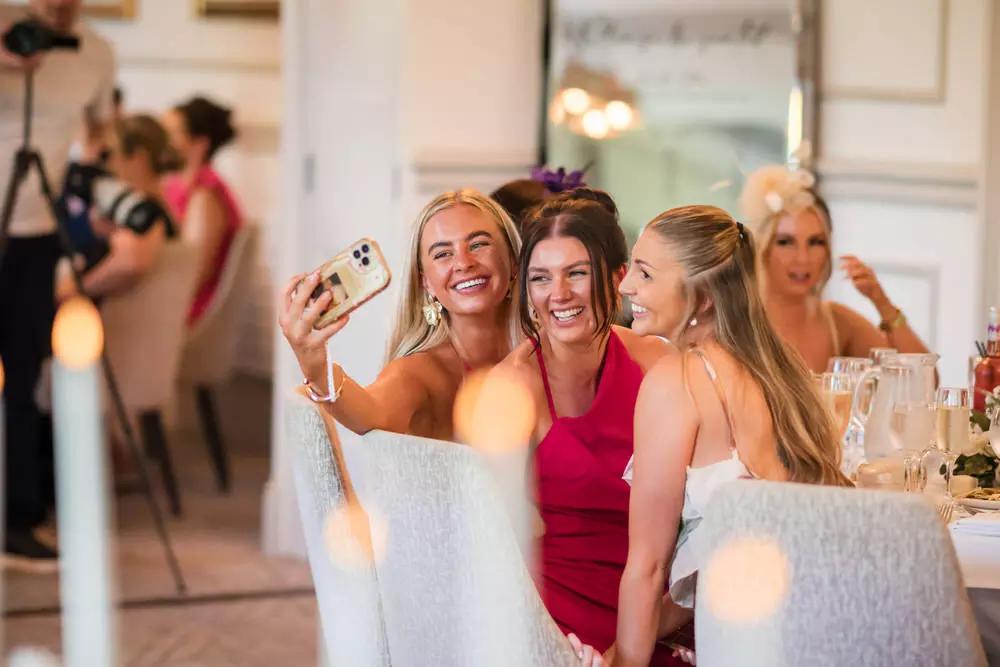
Then comes the drinks reception. People will want hugs, people will want selfies — this is going to happen whether you like it or not. Embrace it. That time belongs to you and your guests, and it is full of the candid interactions that tell the story properly.
Efficient, organised and not endless
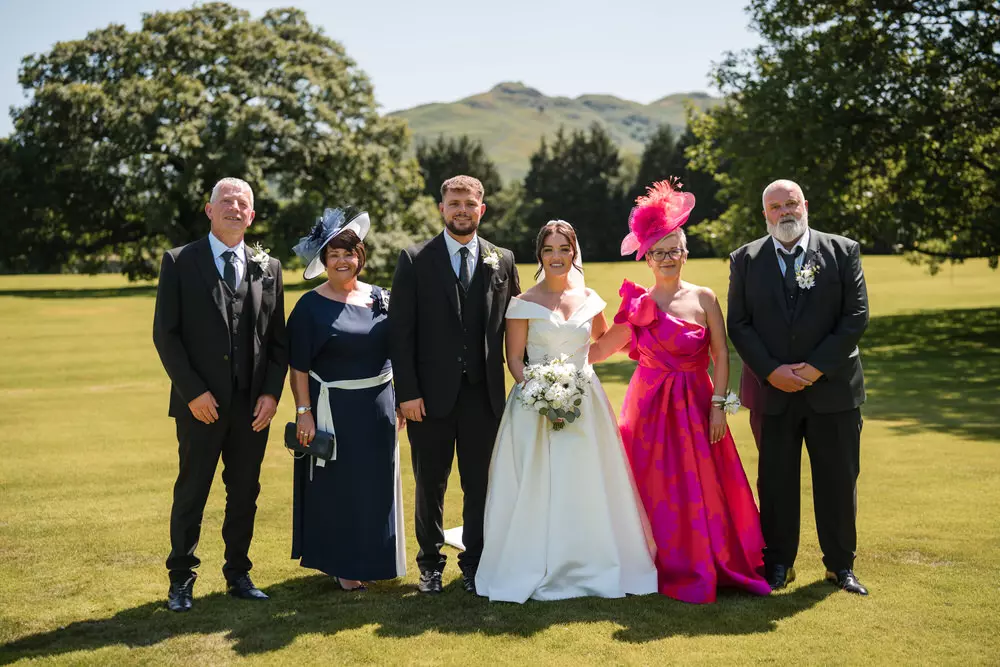
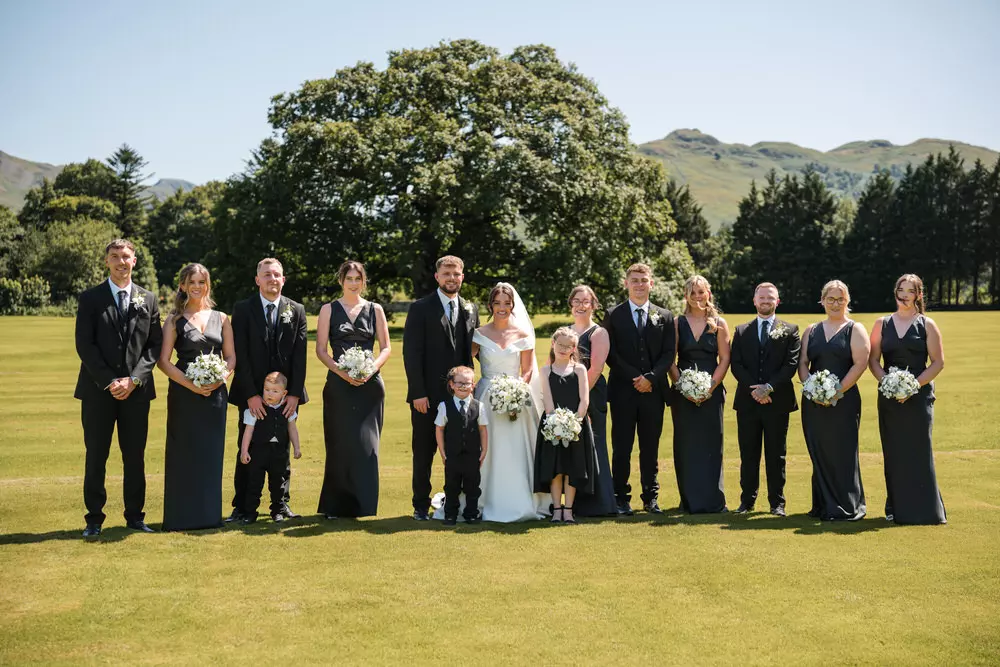
A couple of months before the wedding, you will complete a group photograph list. It is not written in stone, but having it means I can organise everyone quickly without pestering you or shouting names like a school register.
For a sensible list, around 20 to 30 minutes is normally enough. I tend to begin with the larger family groups and finish with the wedding party, so older relatives can return to the drinks reception first.
If family dynamics are complicated, tell me privately beforehand. I can keep things discreet and avoid creating an uncomfortable situation on the day.
Walking, talking and no performance required
Portraits do not need to become a large interruption. We will go for a short wander, keep things relaxed and use simple direction so you do not have time to overthink where your hands should be. A sentence nobody has ever said joyfully.
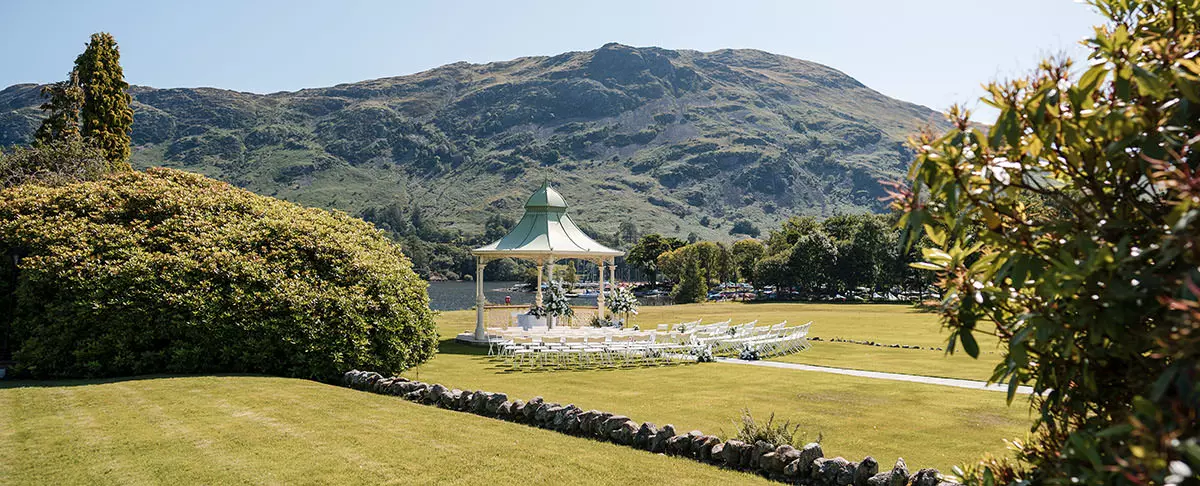
I often split portraits into two short sessions: perhaps 10–15 minutes during the drinks reception and another brief step outside when the light softens. If you would like more of the Lake District landscape, an optional 30–45 minute adventure portrait after the meal can work beautifully without taking over the day.
Walking removes the awkwardness
Movement gives you something natural to do and helps expressions settle quickly.
Enough direction to feel secure
I will guide position, light and movement without forcing you into somebody else’s pose.
Short sessions, properly used
A few focused minutes often produces more than a long session when you would rather be with guests.
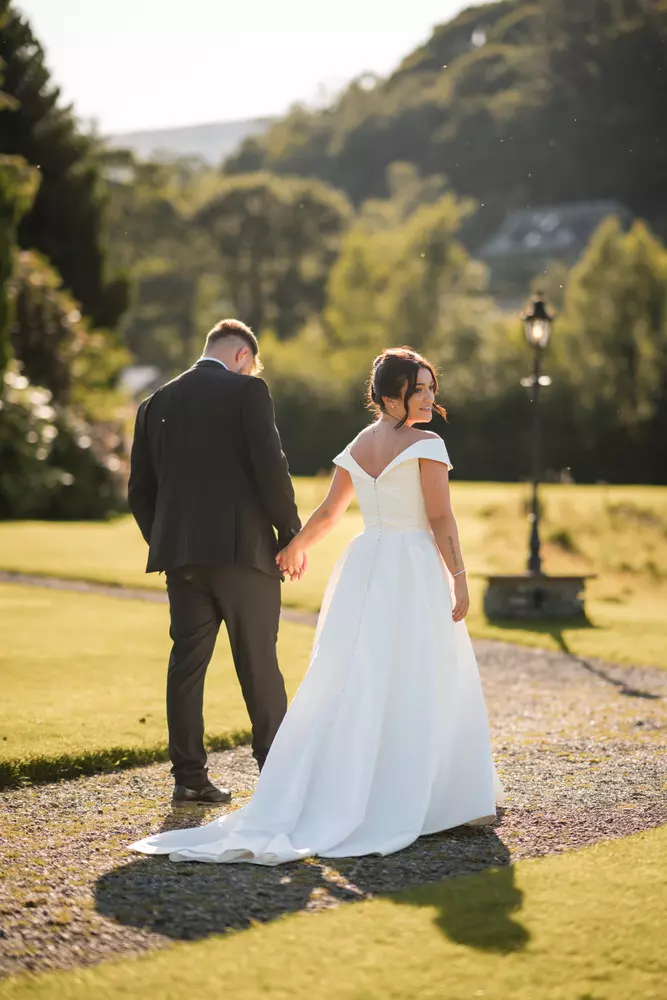
Simple direction. Natural movement. Strong light.
If you feel camera shy, you are in extremely good company. The aim is not to make you perform; it is to give you enough help that you can relax and be yourselves. There is more reassurance in my guide for camera-shy couples.
Quiet coverage, then you eat in peace
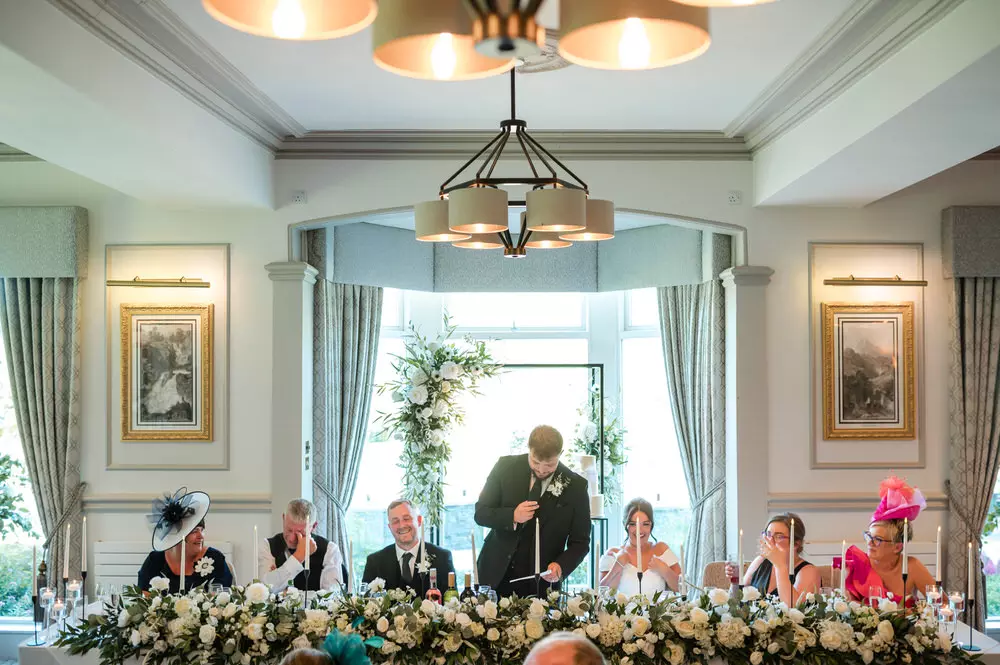
I photograph the room before guests enter, your reaction when you first see it and the atmosphere as everyone sits down. During speeches I work discreetly, using silent cameras and no flash where possible so I do not add pressure.
Once food is served, I take a break too. Nobody looks especially elegant with a face full of dinner, including me.
The soft-light window
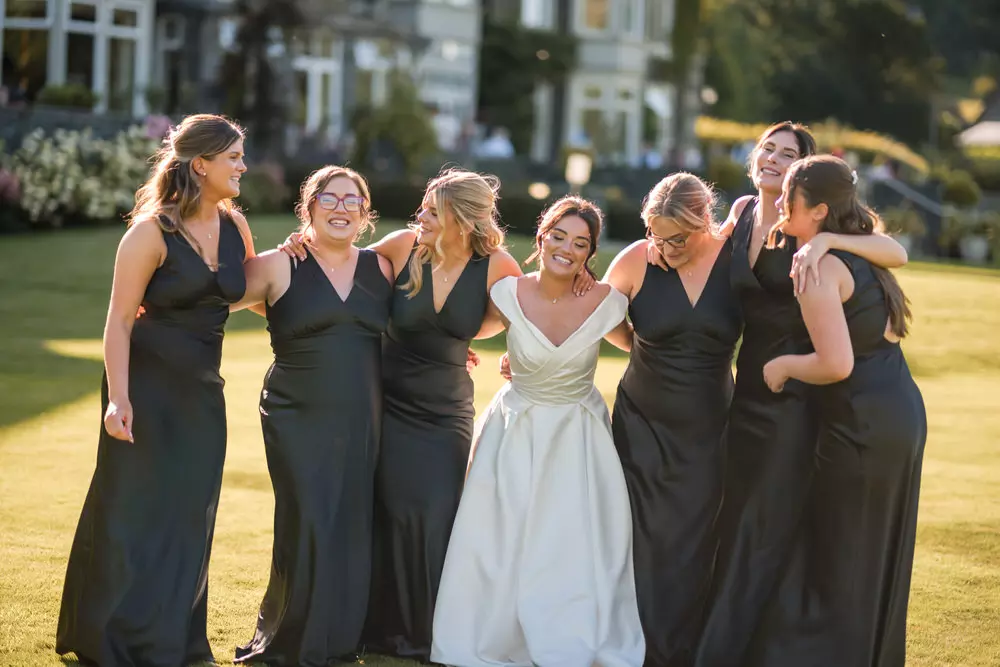
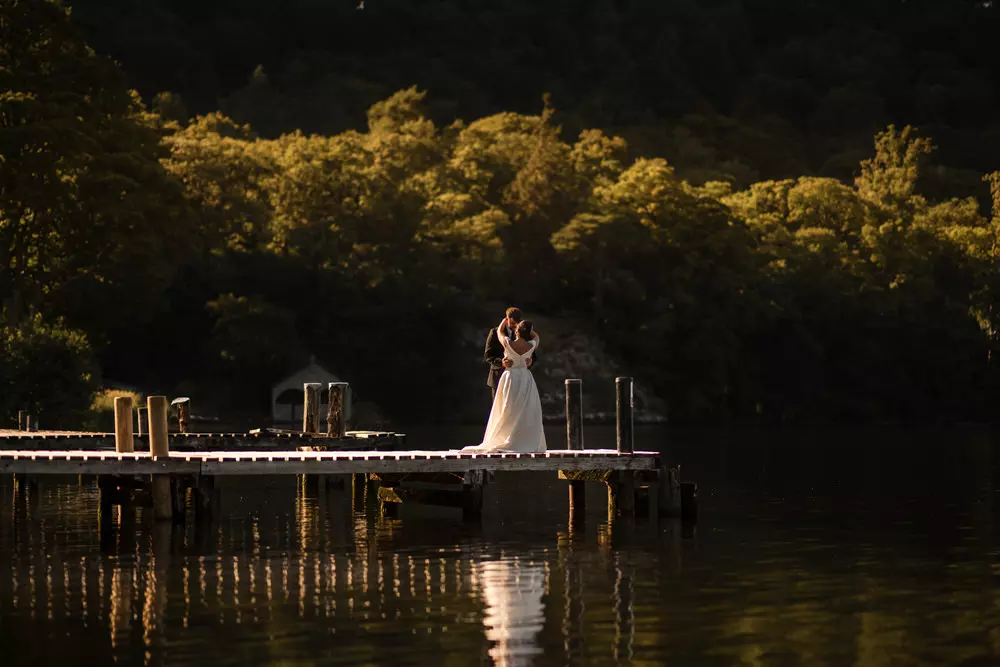
After food, and before the evening properly begins, there is often a lovely little window for portraits. You are more relaxed, the pressure has lifted and the light is usually softer.
Ten or fifteen minutes can produce some of the strongest images of the day. It is always optional, but it is often worth keeping that part of the timeline slightly flexible rather than trying to schedule the light to the minute. The Lake District has never been especially interested in our spreadsheets.
When the weather has other ideas
We can hope for sunshine while preparing properly for everything else.
Outdoor ceremonies sometimes move inside, and many Lake District venues have beautiful indoor options. If guests do not want to step outside, family groups can be photographed indoors.
Once the important things are covered, if you are happy to step out with an umbrella, I will be ready. Rain does not ruin a wedding; it changes the light and sometimes creates images that would not have existed on a bright day.
Night portraits — if you fancy them
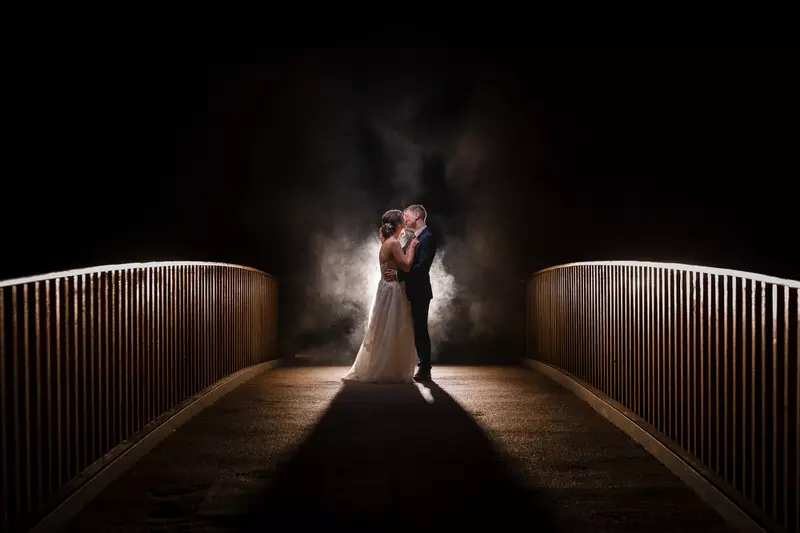
In winter, daylight disappears early, so we lean into the darkness. Even in rain, low light can create something properly atmospheric. I will be as brave as you want me to be — within reason; I do still have to drive home.
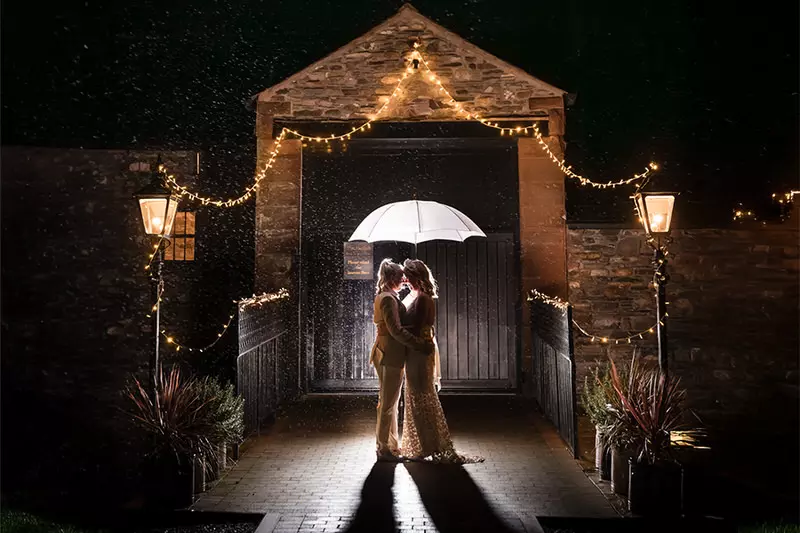
Party atmosphere, not staged
Once the evening starts, I concentrate on atmosphere: people arriving, catching up, dancing and the slightly surreal moments that appear when everyone finally relaxes.
For the first dance, 10–20 seconds on your own is absolutely allowed before inviting everyone else up. It does not have to become awkward unless you insist on a full choreography routine.
On full-day coverage, I normally stay until shortly after the second dance. I will say a proper goodbye just before the first dance, check you are happy, then quietly disappear once I have what I need — the Irish goodbye, without tapping you on the shoulder midway through the dance floor.
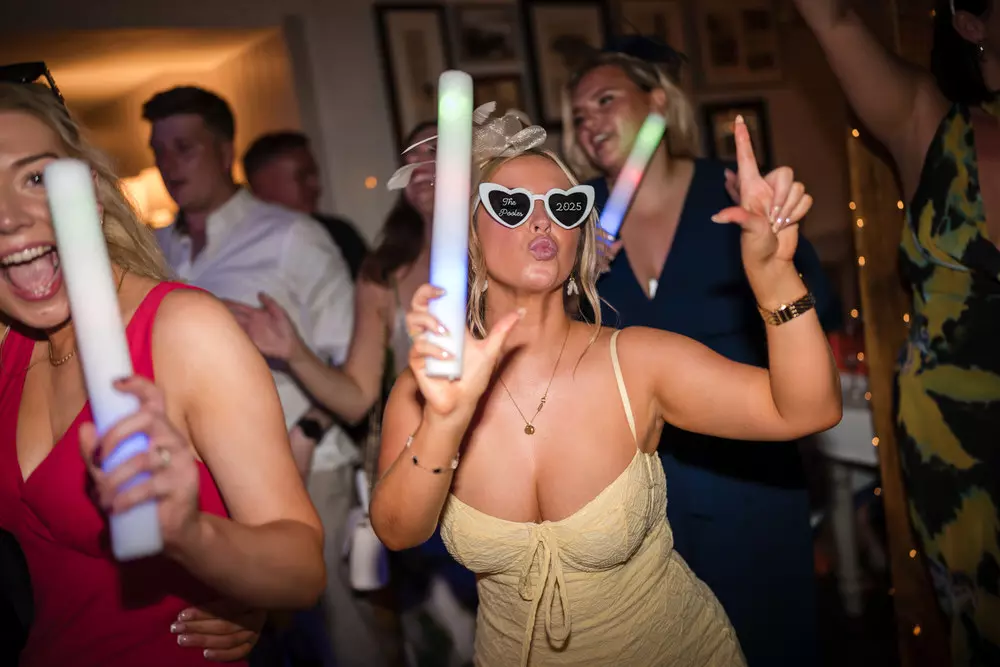
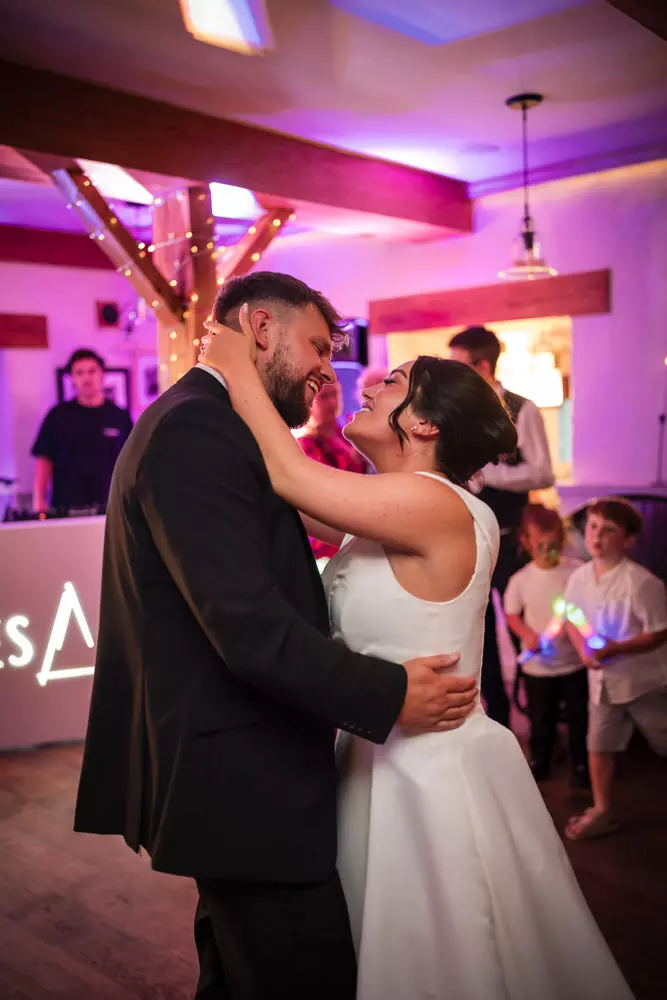
“My job is simple: keep it calm, keep it moving, and photograph the day as it actually felt — not how it ‘should’ look on a moodboard.”
How it felt for the people in front of the camera
A few genuine Google review snippets from couples who wanted the day documented naturally, without the photography taking over.
“Chris made us feel very much at ease. There were times I’d be looking about for him, but he blended in that well with our wedding I didn’t realise he was right in front of me.”— Leanne H
“Well organised and experienced, he ensured the formal pictures ran smoothly and didn’t take up the reception time.”— Cath Haggerty
“Chris brought such a calming presence… He was incredibly organised and wonderfully efficient, which meant we could spend more precious time with our friends and families while he quietly worked his magic in the background.”— Sarah Mitchell
Snippets have been shortened for space while keeping the reviewers’ original meaning and wording.