
Wedding planning timetable for calm, sensible UK weddings
A practical guide to planning your wedding without turning it into a second full-time job. Civil ceremonies, Cumbria registrars, church weddings, supplier timings, checklists and a calmer way to keep everything moving.
What this wedding planning guide covers
This guide is written for couples planning a UK wedding, especially civil ceremonies in Cumbria and the Lake District. It explains when to contact registrars, how church weddings differ, when to book key suppliers, how to build a realistic planning timetable, and how to keep the whole process from becoming overwhelming.
The aim is not to turn your wedding into a military operation. It is to help you make the important decisions in a sensible order, leave enough breathing room, and build a day that feels calm, personal and properly looked after.
Start with the things that shape the whole day
Wedding planning can feel a bit like being handed a clipboard, a spreadsheet and a mild sense of panic. It does not have to be like that.
A good wedding plan is not about controlling every minute. It is about making the important decisions in a sensible order, booking the people who matter most, and giving yourselves enough breathing room to actually enjoy the whole thing.
Before you get too deep into flowers, signs, chair bows, saxophonists, sweet carts or anything else the internet says you urgently need by Thursday, start with the foundations: your ceremony, your venue, and your key suppliers.

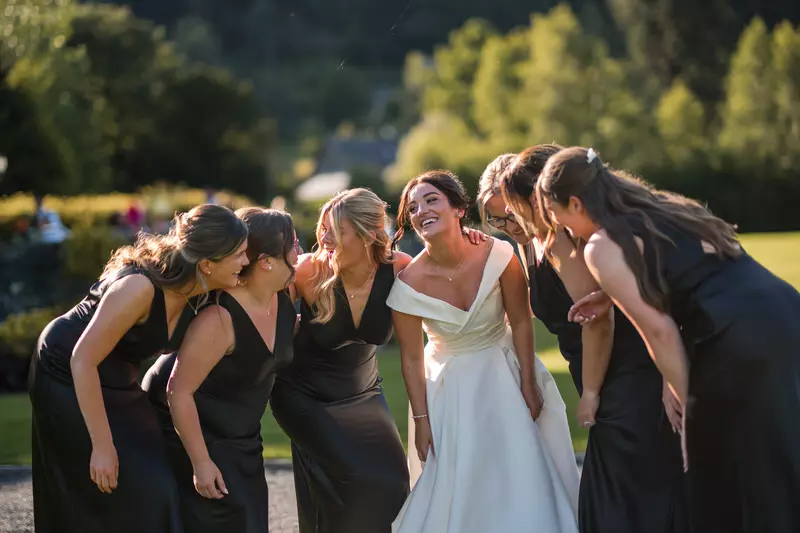
Civil ceremonies in the UK
Most Lake District and Cumbria weddings I photograph are civil ceremonies at licensed wedding venues. That might be a hotel, barn, country house, lakeside venue, register office or another approved ceremony space.
For a civil ceremony, you normally need a licensed venue or register office, a registrar available for your date and time, two witnesses, and legal notice given in the correct window.
The important bit
Booking the venue does not automatically book the registrar. You need both the venue and the registrar to be available for the same date and ceremony time. Check both before you fully commit to expensive plans.
Ceremony time controls far more than people realise. It affects hair and makeup, guest arrival, drinks reception, photographs, the meal, speeches, evening guests and how rushed the whole day feels.
For many weddings, a ceremony around late morning or early afternoon works beautifully. Later ceremonies can still be lovely, but they can make the drinks reception and photographs feel more squeezed, especially outside summer.
Cumbria registrars and when to get in touch
Cumbria is now covered by two local authority areas, so the registration service you need depends on where your venue is. Some venues sit under Cumberland Council, while others are covered by Westmorland and Furness Council.
As a simple approach, once you have a likely venue and date, contact the relevant registration service before you get too attached to one exact ceremony time. Venues will usually have a good sense of what ceremony times work best, but the registrar still needs to be available.
You will also need to give notice of marriage at the correct time. This usually happens through your local register office, not necessarily the area where you are getting married. In England and Wales, you must normally give notice at least 29 days before the ceremony and marry within 12 months of giving notice. Different rules or a longer process can apply in some circumstances, so always confirm the details with your local register office.
A calm order for civil ceremony planning
- Shortlist your venue and preferred date.
- Ask the venue what ceremony times usually work well.
- Check registrar availability for the date and time.
- Confirm the venue and registrar once both are available.
- Put your notice deadline into your planning document.
- Build the rest of the day around the ceremony time.
A note on church weddings
Church weddings work differently from civil ceremonies. If you are getting married in a Church of England church, your vicar will usually guide you through the legal side, including banns where they apply.
If you are using another church or religious building, check early whether the building has someone authorised to register the marriage, or whether a registrar also needs to attend.
From a wedding day point of view, church weddings often need a little more timeline planning because you may have travel between the ceremony and reception venue.
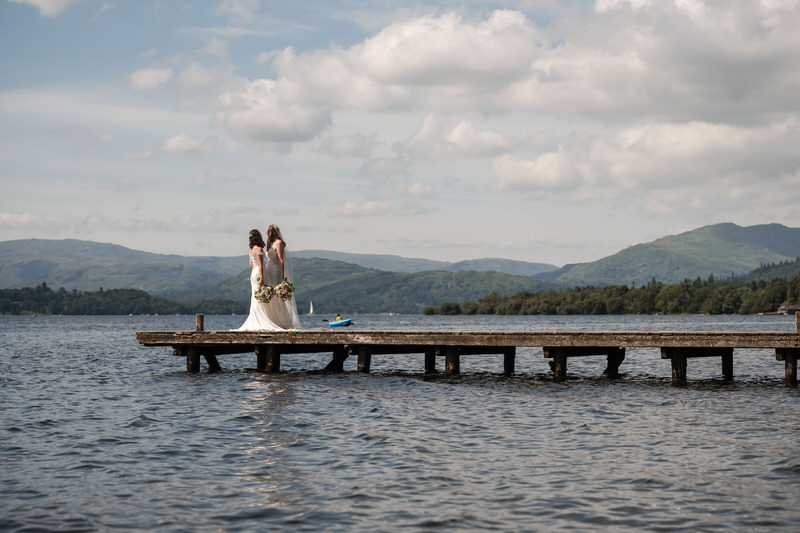
Things to check for a church wedding
- Whether banns, a marriage schedule or another legal route applies
- Whether you need a church rehearsal
- Photography rules during the ceremony
- Whether confetti is allowed and where it can happen
- Parking and arrival time for guests
- Travel time from church to reception venue
- Whether family photographs are better at the church or the venue
A sensible wedding planning timetable
This is not a rigid rulebook. Some couples plan in two years, some plan in six months and some plan with the sort of confidence that makes spreadsheet people nervous. But for most UK weddings, this is a realistic order.
Book the foundations
- Set a rough budget
- Draft your guest list
- Choose civil ceremony, church or celebrant-led structure
- Shortlist venues
- Check registrar or church availability
- Book venue and ceremony
- Book photographer and videographer if important to you
Shape the day
- Book hair and makeup
- Book entertainment or DJ
- Book florist
- Book venue styling if needed
- Book catering if not included
- Look at guest accommodation
- Think about the overall feel of the wedding
Start the practical details
- Send save the dates if using them
- Start outfits
- Think about ceremony music and readings
- Plan rough timings
- Think about transport
- Start a simple family photo list
- Check accommodation advice for guests
Confirm the legal and useful bits
- Check your notice appointment timing
- Send invitations if ready
- Book hair and makeup trials
- Choose rings
- Confirm cake ideas
- Discuss ceremony wording
- Check church banns if relevant
Tighten the plans
- Chase RSVPs
- Gather dietary requirements
- Start your table plan
- Confirm transport
- Confirm ceremony music and readings
- Speak to your photographer about timings
- Prepare your family photograph list
Finalise and delegate
- Confirm final numbers
- Confirm supplier arrival times
- Pay remaining balances
- Finalise the table plan
- Write speeches or vows
- Decide who is responsible for key jobs
- Prepare the final timeline
Stop adding new things
- Send final timeline to suppliers
- Confirm addresses and parking
- Wear in shoes
- Pack overnight bags
- Gather details for the morning
- Keep last-minute ideas under control
- Give yourself some breathing room
Keep it calm
- Avoid unnecessary jobs
- Check who has rings and documents
- Charge phones
- Pack everything in one place
- Eat properly
- Drink some water occasionally, just to surprise everyone
- Let other people help

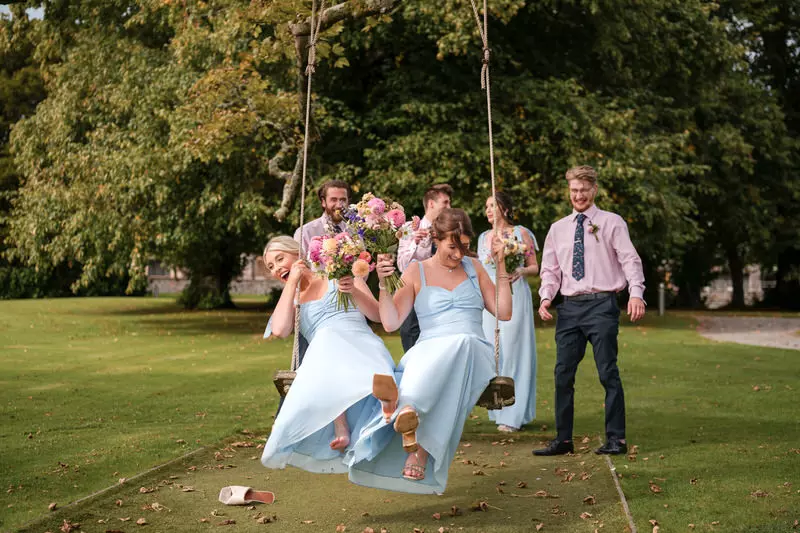

Which suppliers should you book first?
The more your wedding depends on one specific person, the earlier you should speak to them. A photographer, celebrant, makeup artist, videographer or band can usually only be in one place on one date.
A sensible supplier order
- Venue
- Registrar, church or ceremony provider
- Photographer
- Catering, if separate from the venue
- Videographer, if wanted
- Planner or coordinator, if using one
- Hair and makeup
- Entertainment
- Florist
- Venue styling
- Cake
- Transport
- Stationery
- Smaller finishing touches

Why local suppliers can make planning easier
Local knowledge can make a huge difference, especially in the Lake District and Cumbria. Weddings here can involve narrow roads, changeable weather, busy tourist areas, remote venues, lakeside access, winter light, mountain backdrops and the occasional sheep-related delay.
Suppliers who know the area often understand which timings are realistic, where guests may get delayed, where the best light is, what works in wet weather, and how different venues tend to flow.
A supplier does not need to have worked at your exact venue before to do a good job, but local experience can quietly remove a lot of stress. Especially when plans change, weather arrives, timings slip or someone suddenly needs to find a missing buttonhole.

How to avoid wedding planning overwhelm
The most stressful weddings are not always the biggest ones. They are usually the ones where too many decisions are left open for too long.
A calm wedding plan needs fewer decisions, clearer communication and realistic timings. That is not very glamorous, but it works better than panic-ordering personalised napkins at midnight.
Keep one planning document
Keep supplier names, contacts, payments, deadlines, guest numbers, dietary requirements, timings and questions in one place. It does not need to be beautiful. It needs to be useful.
Make decisions in batches
Wedding planning becomes exhausting when it is always switched on. Set aside time, sort one section, then stop. You are still allowed to have a life that does not involve linen colours.
Limit the number of opinions
It is lovely when people care, but too many opinions can make planning feel impossible. Choose a small circle of useful voices and keep everyone else gently informed.
Build the wedding around yourselves
If you hate being the centre of attention, you do not need a day full of staged moments. If you love a party, make space for the party. The best weddings feel like the couple.
A wedding does not need to be perfectly controlled to be beautifully planned. It just needs the important things in place, the right people around you, and enough breathing room to enjoy it.
Wedding planning checklist
Use this as a calm starting point rather than a stick to beat yourselves with. Not every wedding needs every item.
- Decide roughly what kind of wedding you want
- Set a realistic budget range
- Write an early guest list
- Choose civil, church or celebrant-led structure
- Shortlist venues
- Check venue availability
- Check registrar or church availability
- Confirm venue and ceremony booking
- Start one main planning document
- Book photographer
- Book videographer if wanted
- Book catering if separate
- Book hair and makeup
- Book florist
- Book entertainment
- Book venue styling if needed
- Book transport if needed
- Send save the dates
- Start outfit planning
- Think about ceremony readings
- Think about music choices
- Plan rough wedding day timings
- Give notice at the correct time
- Send invitations
- Gather RSVPs
- Collect dietary requirements
- Create table plan
- Prepare family photo list
- Confirm supplier arrival times
- Pay final balances
- Prepare final timeline
- Delegate day-before and on-the-day jobs
- Pack rings, documents and outfits
- Stop adding new ideas near the end
- Get some sleep if possible


Planning advice that might help next
If the timetable is sorted but the emotional side of planning still feels a bit much, these pages may help.
Find these wedding guides again on Google
If you’ve found this guide useful, you can add Chris Freer Photography as a preferred source on Google. It makes it easier for you to see more advice from this website in Google’s preferred-sources features.
Add as a preferred source on Google
Timetable advice shaped by real Lake District weddings.
I’m Chris Freer, a Lake District wedding photographer based in Cockermouth. I photographed my first wedding in 2005 and have now been part of more than 1,500 wedding days, from couple-only elopements to large celebrations and full wedding weekends.
That experience has taught me that a good timetable is not about controlling every minute. It gives the important people and moments room to breathe, then quietly helps the day flow when plans inevitably shift.
Wedding planning timetable FAQ
When should we start planning our wedding?
Many couples start planning 18 to 24 months ahead, especially for popular venues, summer Saturdays and key suppliers. You can plan in less time, but the earlier you book the foundations, the more choice you usually have.
Should we book the venue or registrar first?
Treat them as a pair. Check the venue has your date available, then check the registrar has a suitable ceremony time. Do not assume that booking the venue automatically secures the legal ceremony.
When should we give notice for a civil ceremony?
In England and Wales, notice must normally be given at least 29 days before the ceremony, and the ceremony must take place within 12 months. Different rules can apply, so confirm your own deadline with your local register office and add it to your planning document once the date, venue and registrar are confirmed.
When should we book our wedding photographer?
If photography is important to you, book once your venue and ceremony are confirmed. Established photographers can be booked well ahead for peak Saturdays, especially in the Lake District and Cumbria.
How do we make wedding planning less stressful?
Keep one planning document, make decisions in batches, limit the number of opinions, avoid adding new ideas near the end, and build a realistic timeline with breathing room. The aim is not to control every minute. It is to make the day feel calm.

A calm wedding day needs breathing room, not a minute-by-minute performance.
Once the important bookings, legal steps and practical timings are in place, leave space for weather, conversation, laughter and the unexpected moments you will actually remember.